
- Home
- Komodo National Park Destinations
Komodo National Park
Thirteen anchorages between Labuan Bajo and the eastern reaches of the park — pink sand, manta crossings, and the largest lizard on earth.
 A UNESCO World Heritage Site since 1991
One Park, Thirteen Anchorages
Komodo National Park sits at the western tip of Flores, a scatter of volcanic islands between the Sumba and Flores seas. Ocean Angel sails from Labuan Bajo and works east through it — some days trekking, some days in the water, most days both.
How far she goes depends on the length you book. A two-day voyage reaches Padar and Komodo Island. Four days puts Rangko Cave, Seraya and Bidadari within reach.
- All voyages depart and return to Labuan Bajo
- Trekking at Padar, Komodo and Kelor
- Snorkelling at Manjarite, Manta Point and Sebayur
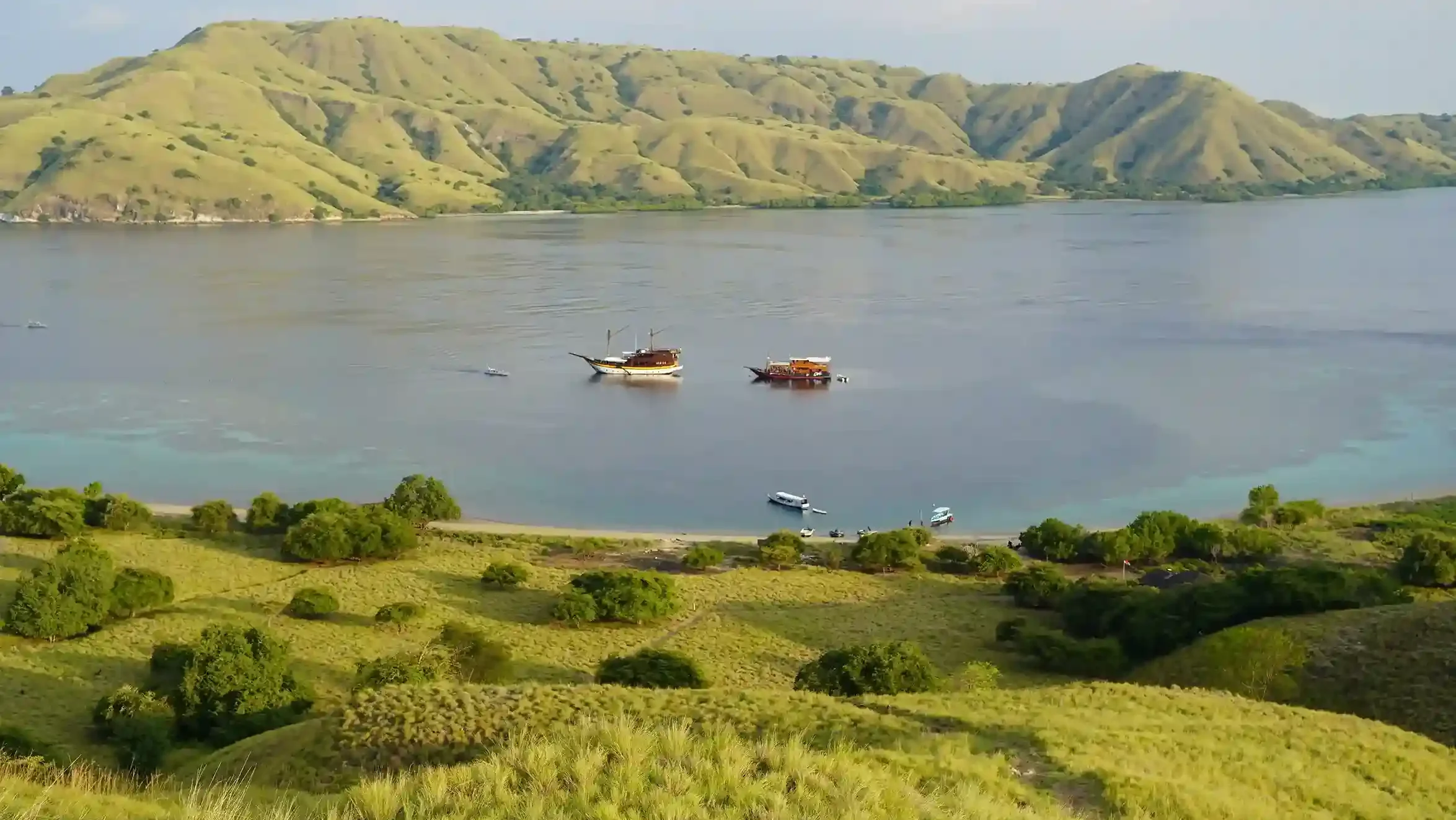
- Sunset anchorage at Kalong Island
Every Stop on the Route
Thirteen anchorages, each with its own reason for stopping.
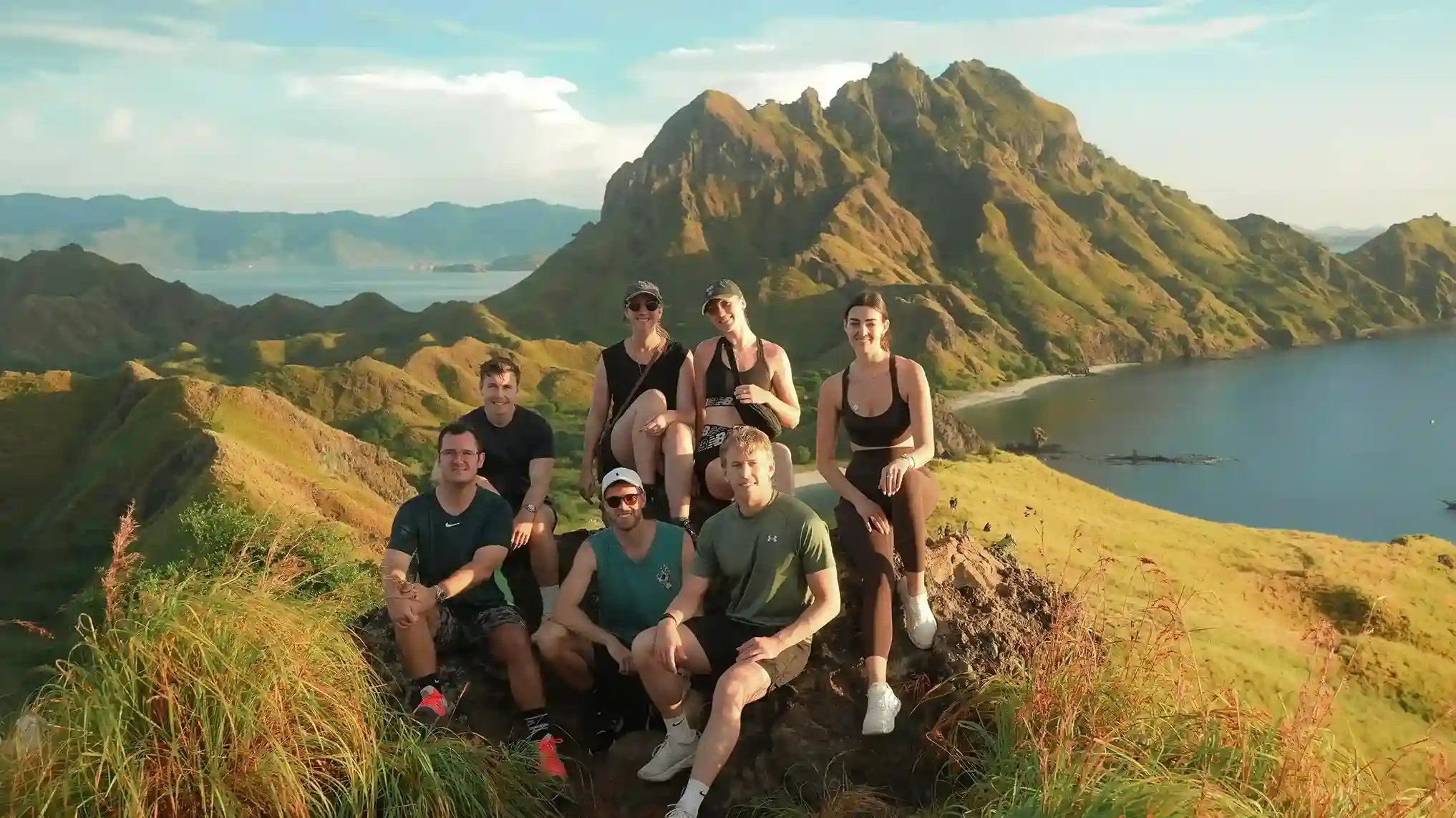
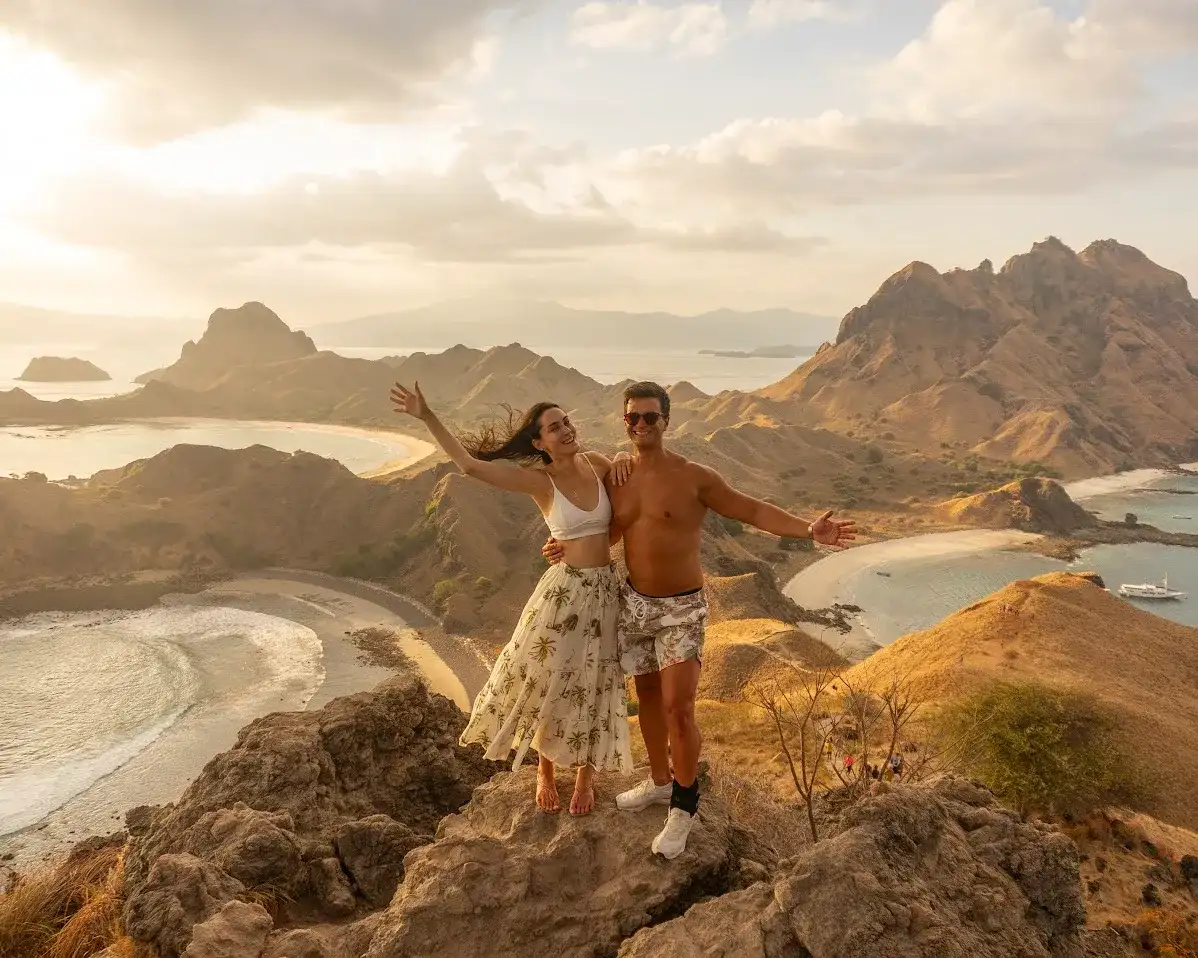
Padar Island
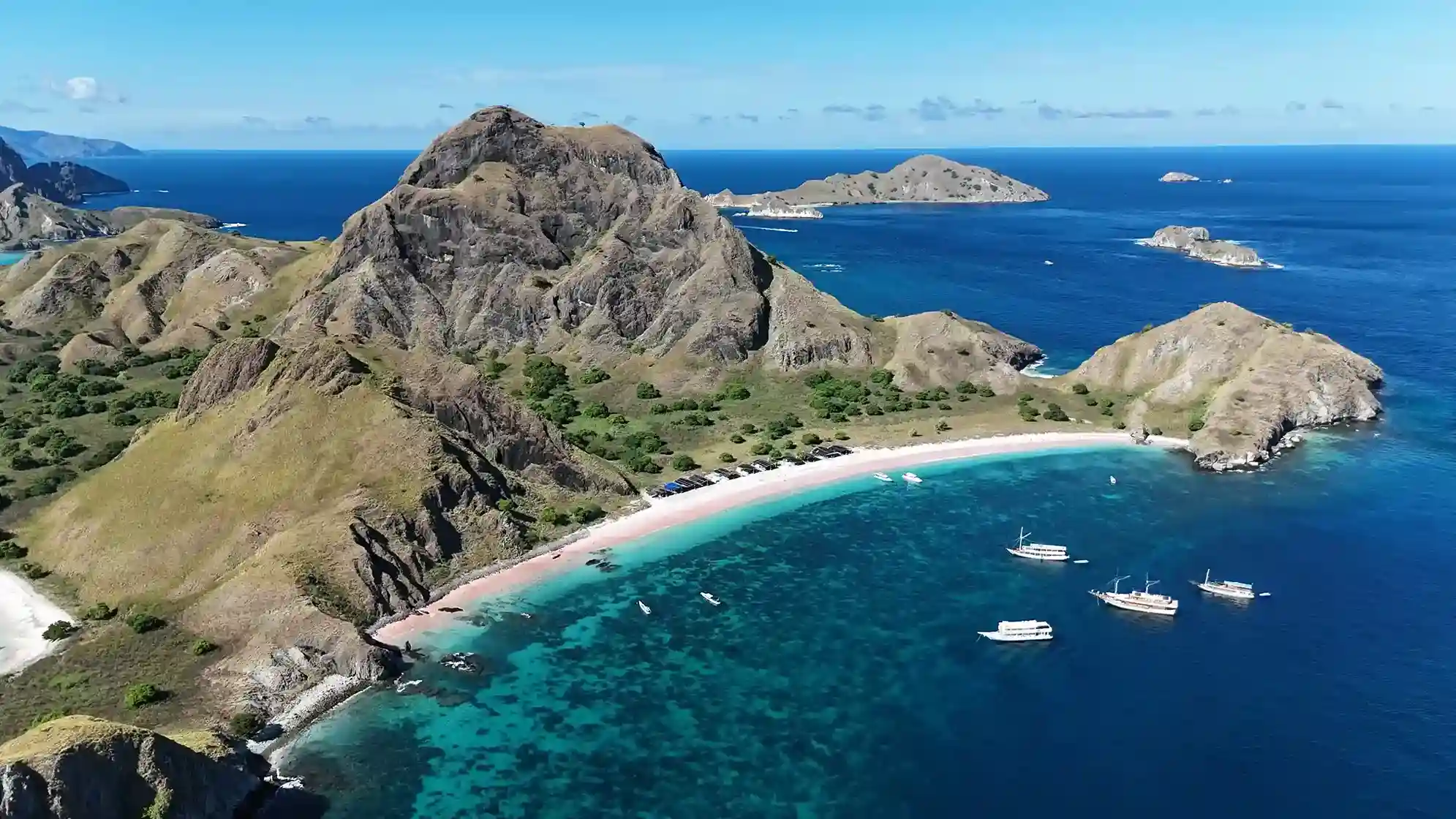
The third largest island in the park, and the view everyone comes for. A hard climb to a ridge above three crescent bays.
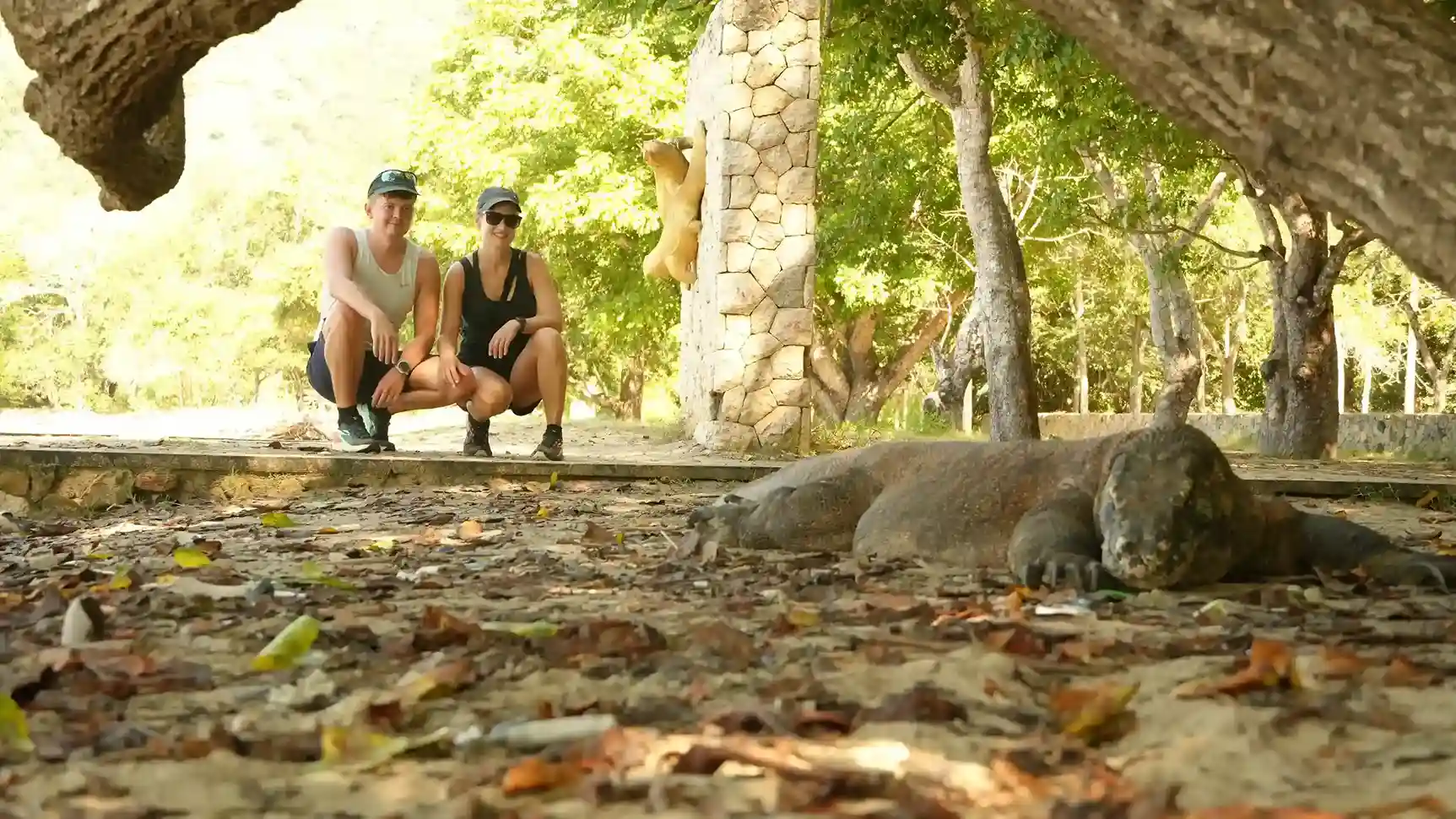
Komodo Island
Around 1,300 Komodo dragons breed here — two to three metres long, ninety kilos. A ranger walks with you.
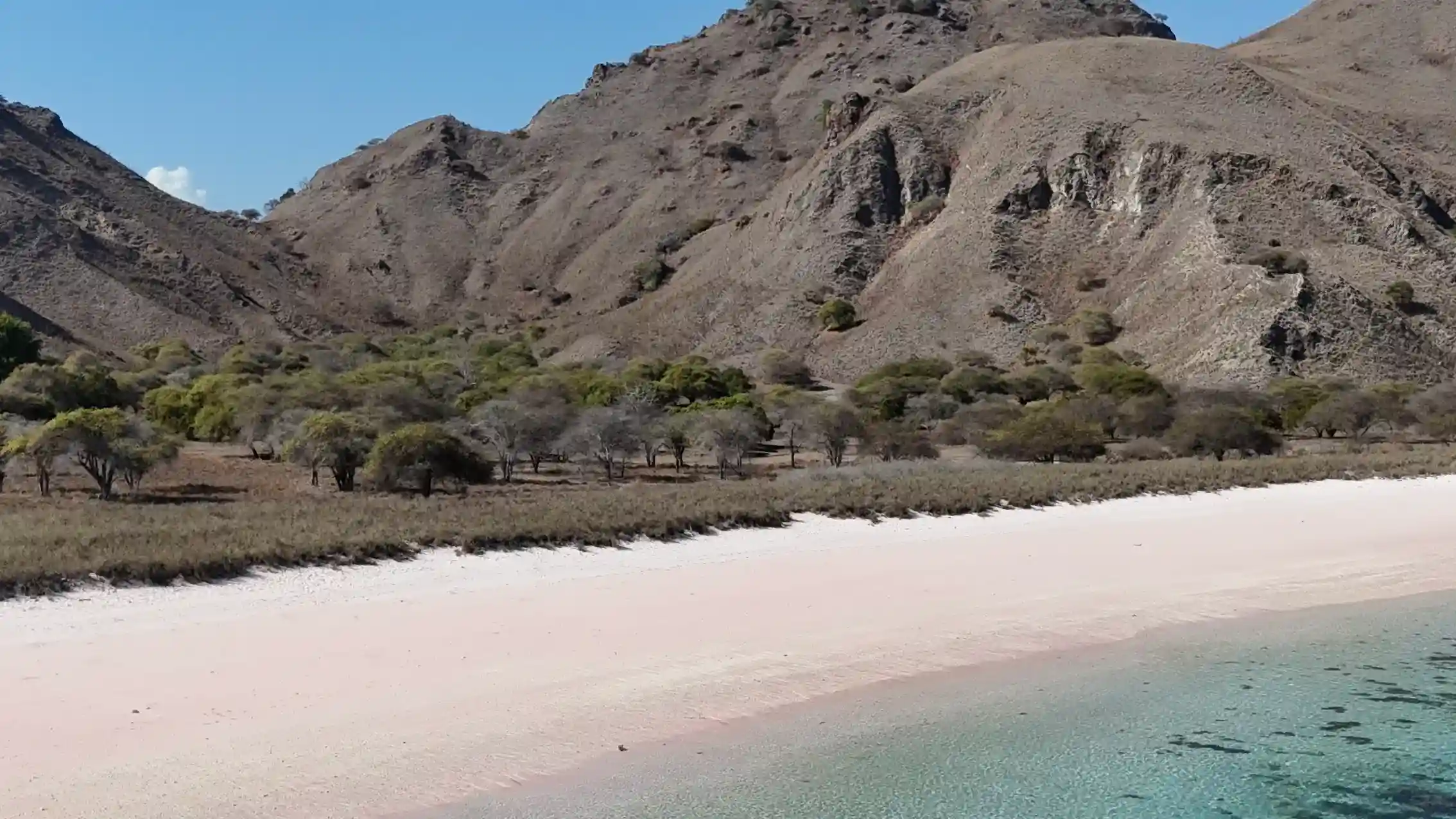
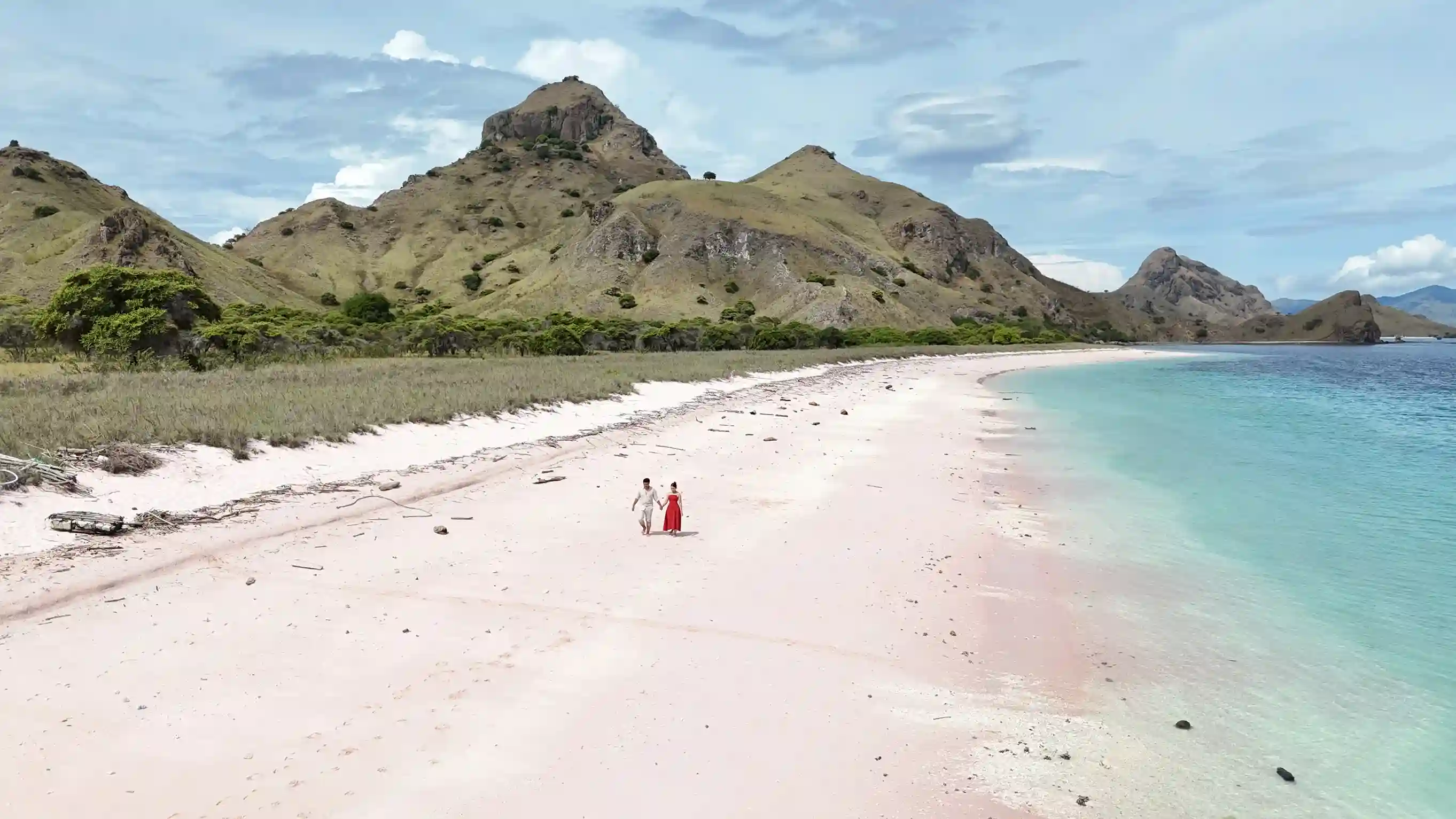
Pink Beach
One of the pinkest beaches on earth. Coral fragments in the white sand give it the colour.
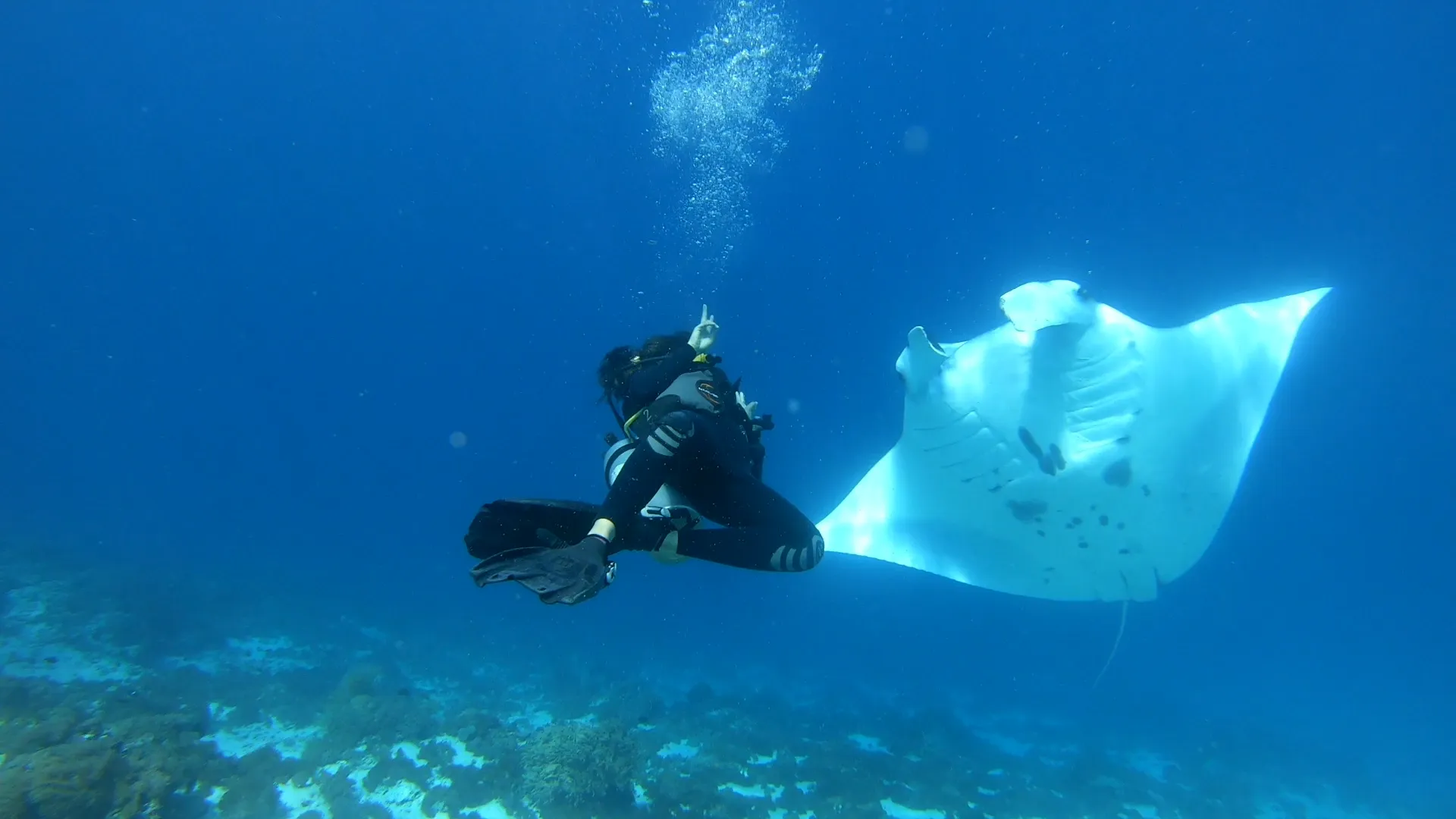
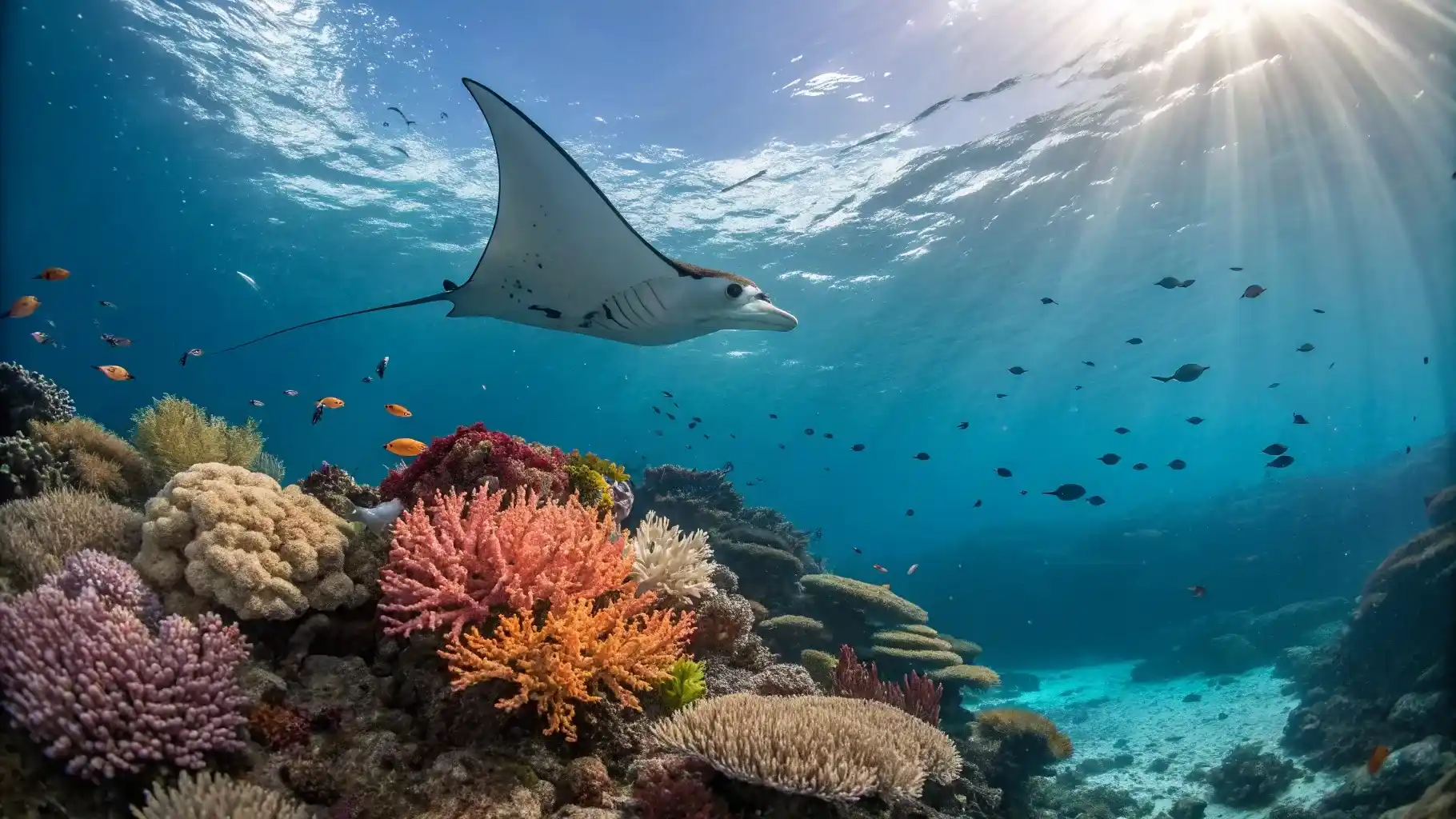
Manta Point
The best drift snorkel in the park. Manta rays year-round, and jellyfish colonies alongside them.
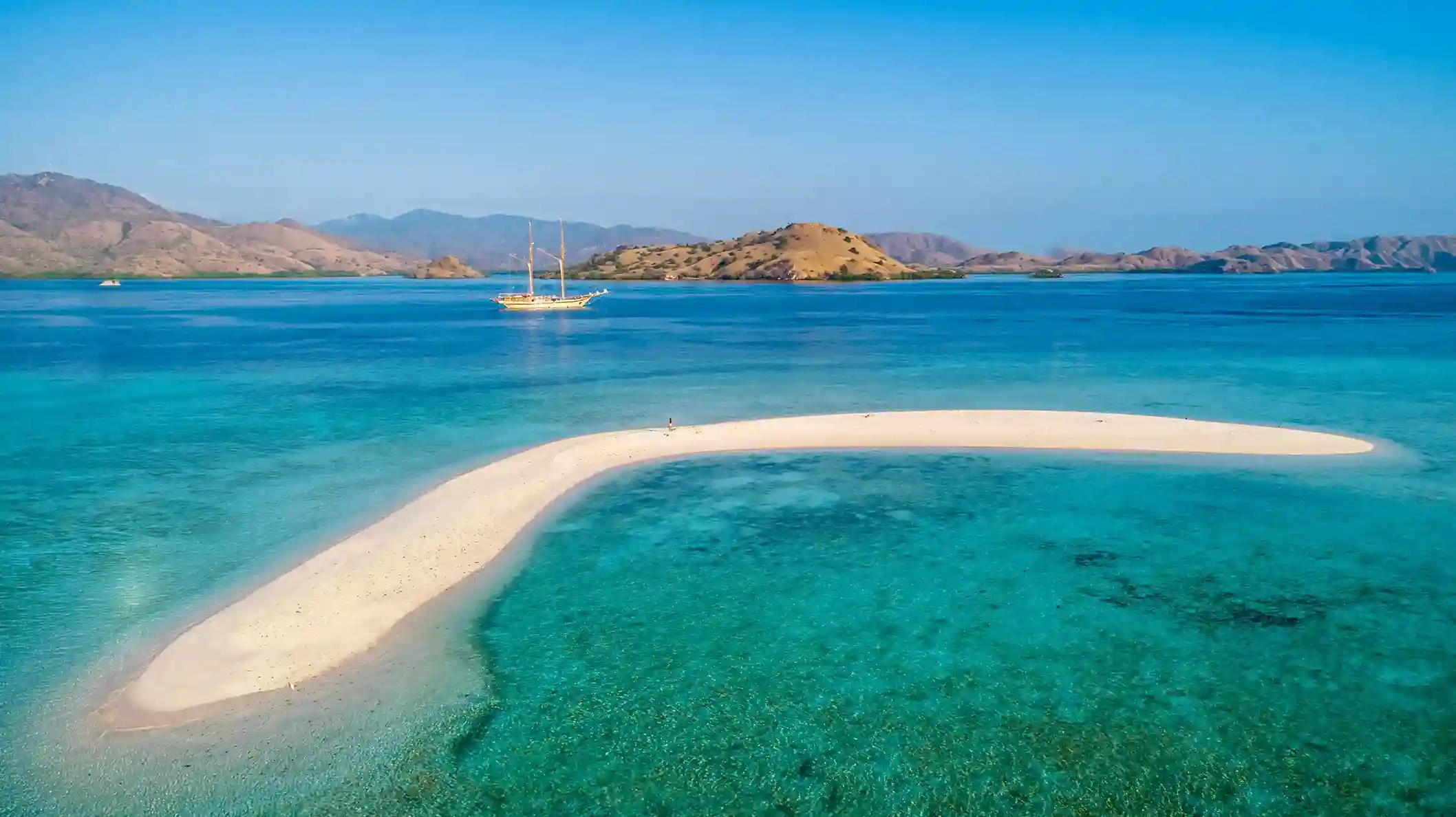
Taka Makassar
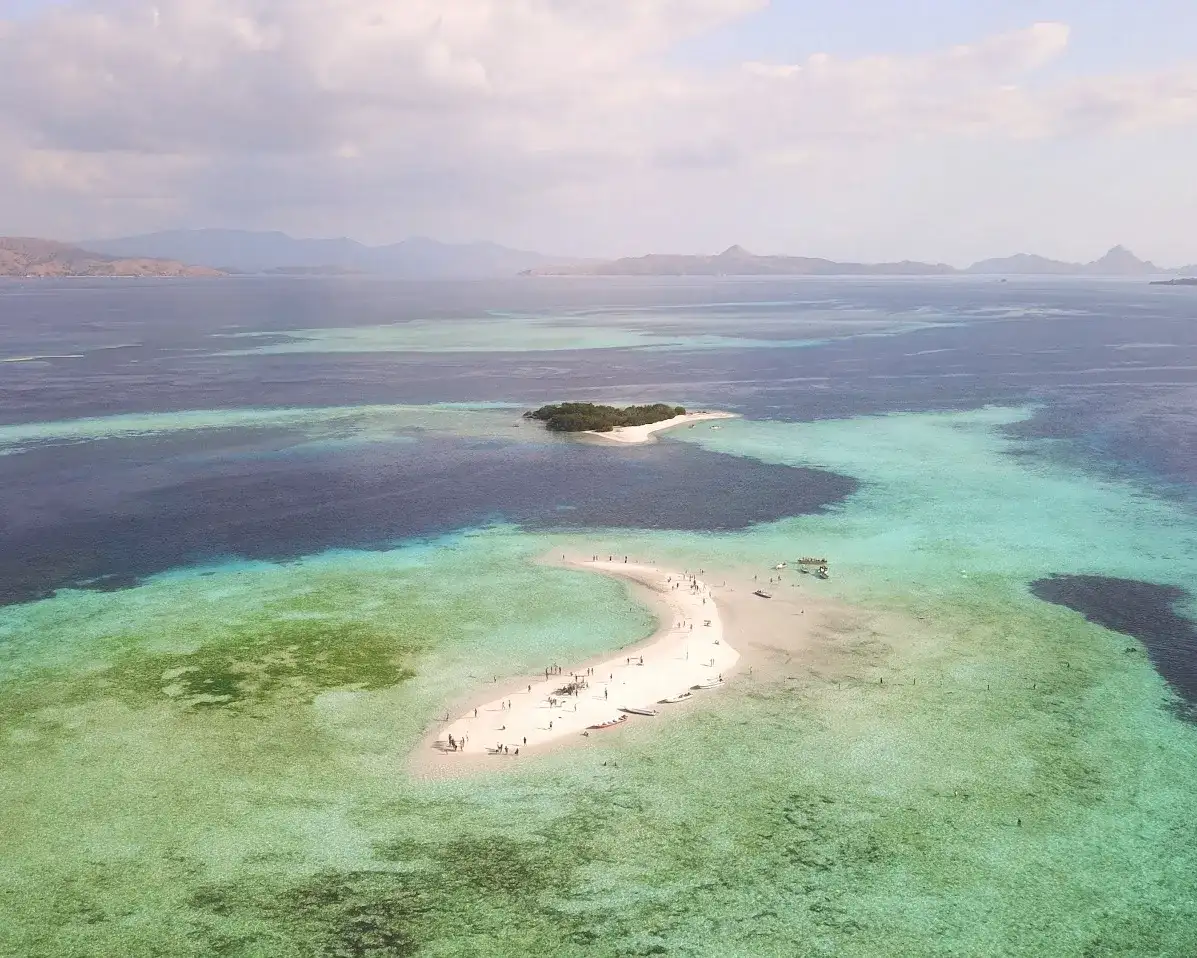
A curl of white sand shaped like a nine, visible only when the tide goes out.
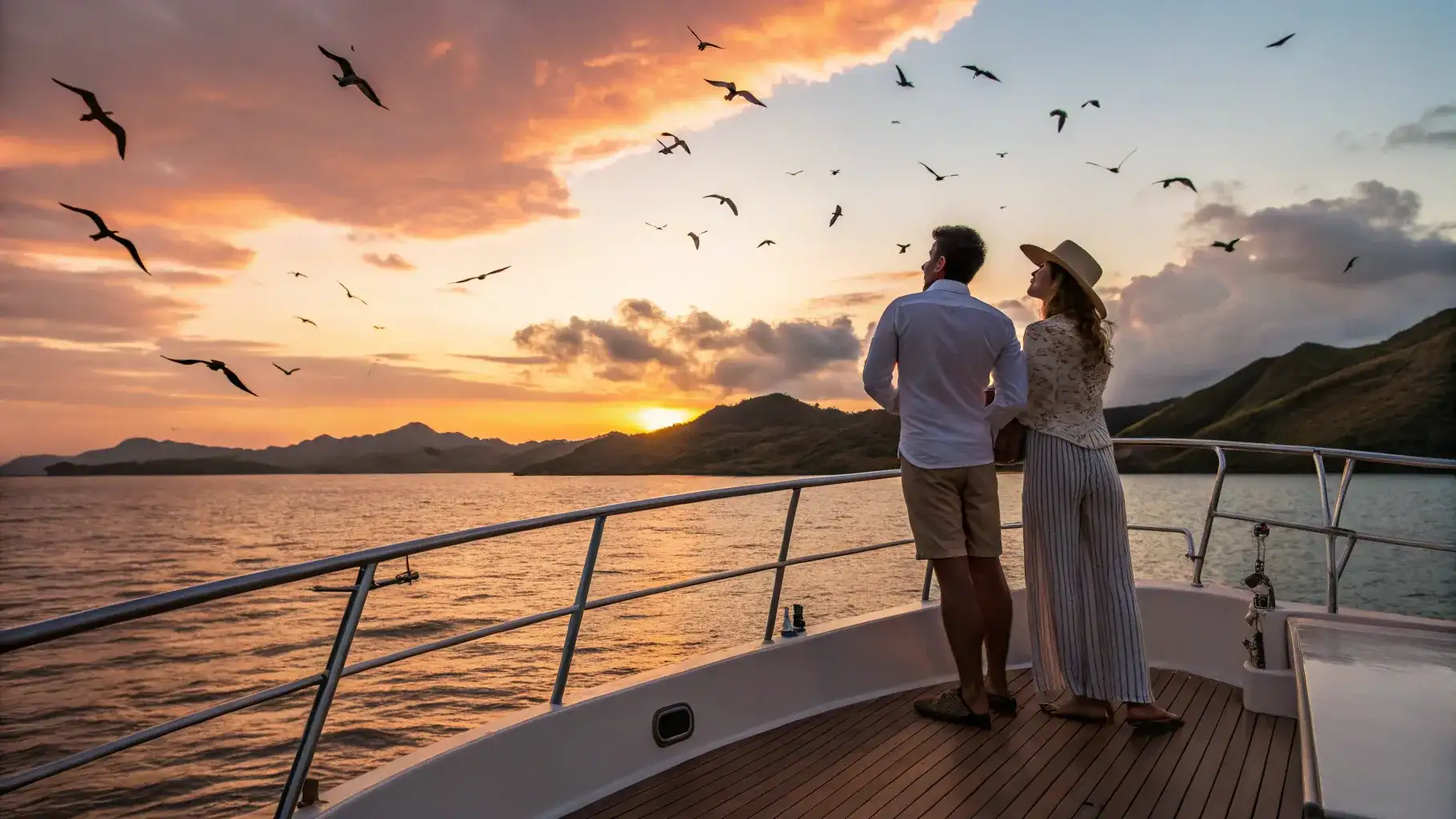
Kalong Island
Millions of giant bats lift off the mangroves at dusk. The finest sunset anchorage in the park.
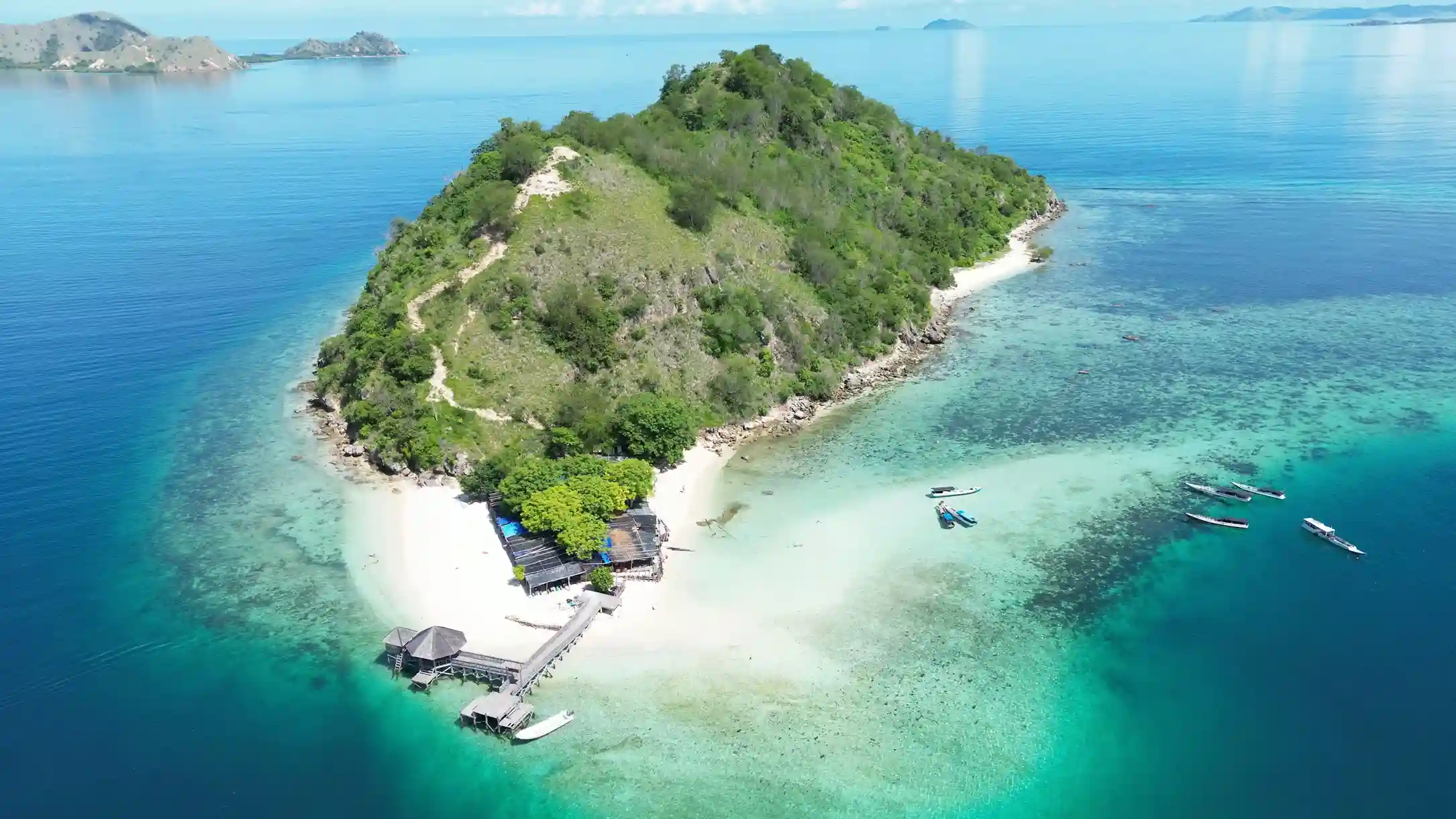
Kelor Island
White sand and a green hill that takes about an hour to climb. Modest looking, deceptively steep.

Manjarite Island
Three to eight metres deep — the beginner water. Clownfish, angelfish and barracuda over live coral.
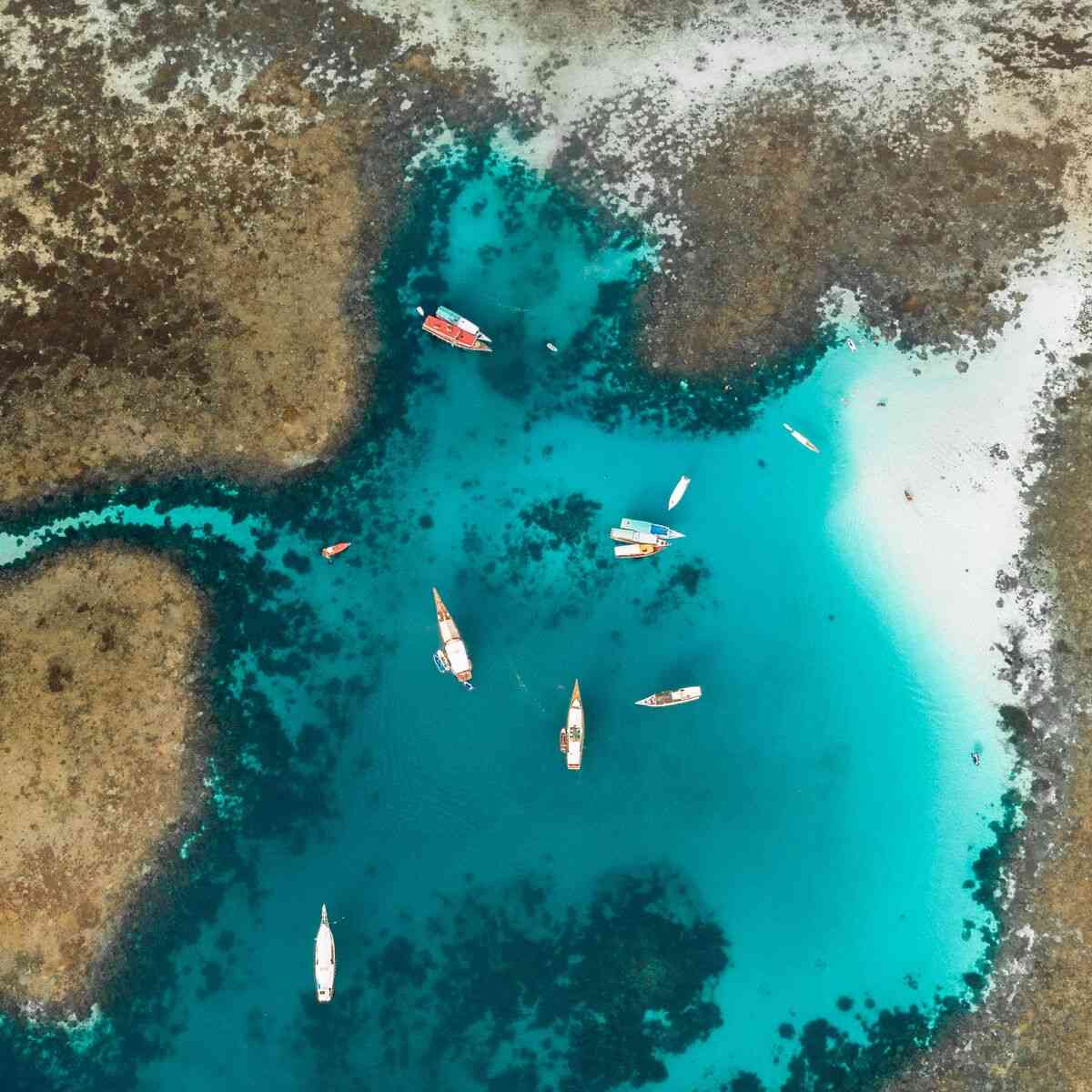
Siaba Island
Nicknamed the City of Turtles. Calm water, and the sun setting between the islands.
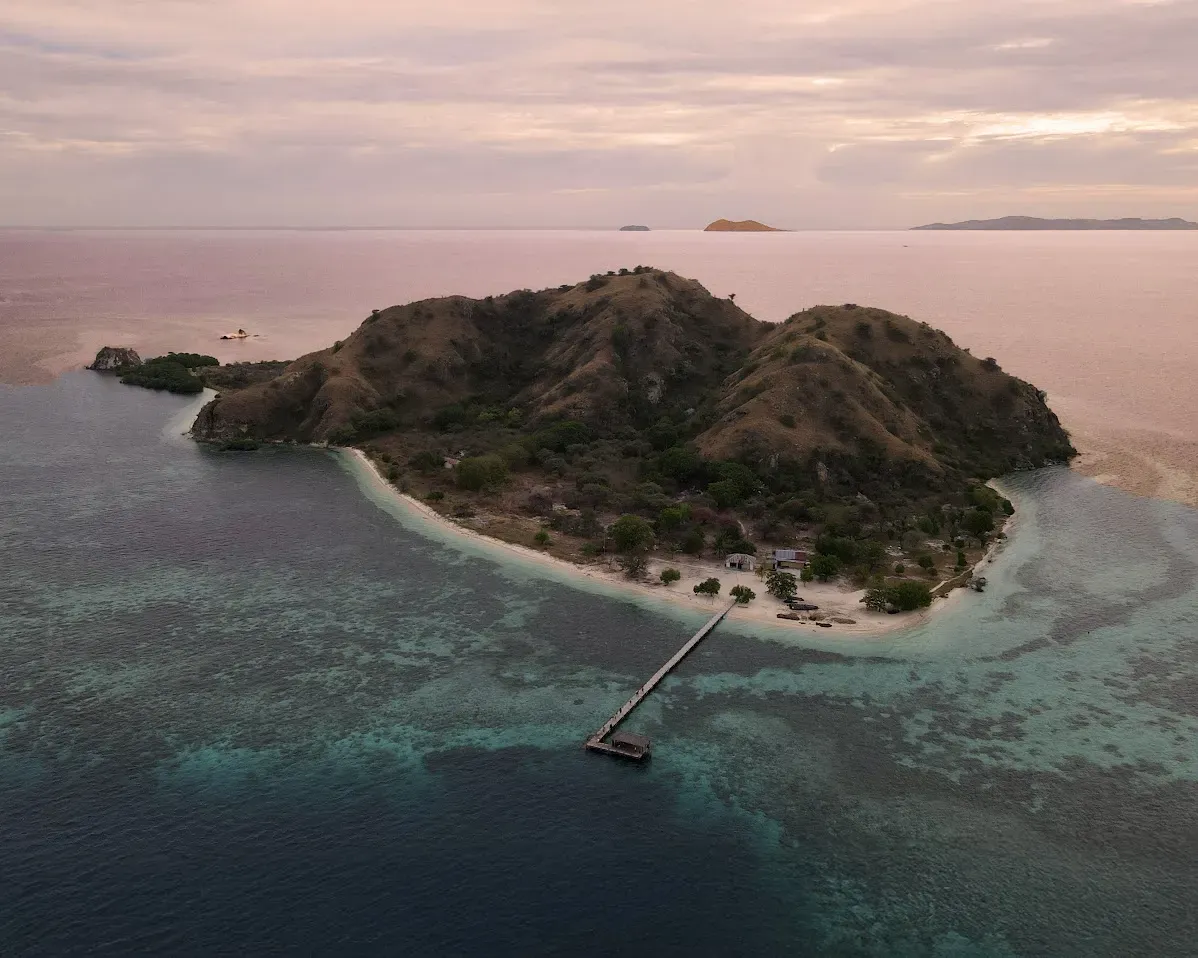
Kanawa Island
Coral reef on every side and a wooden pier. As close to a private island as the park gets.
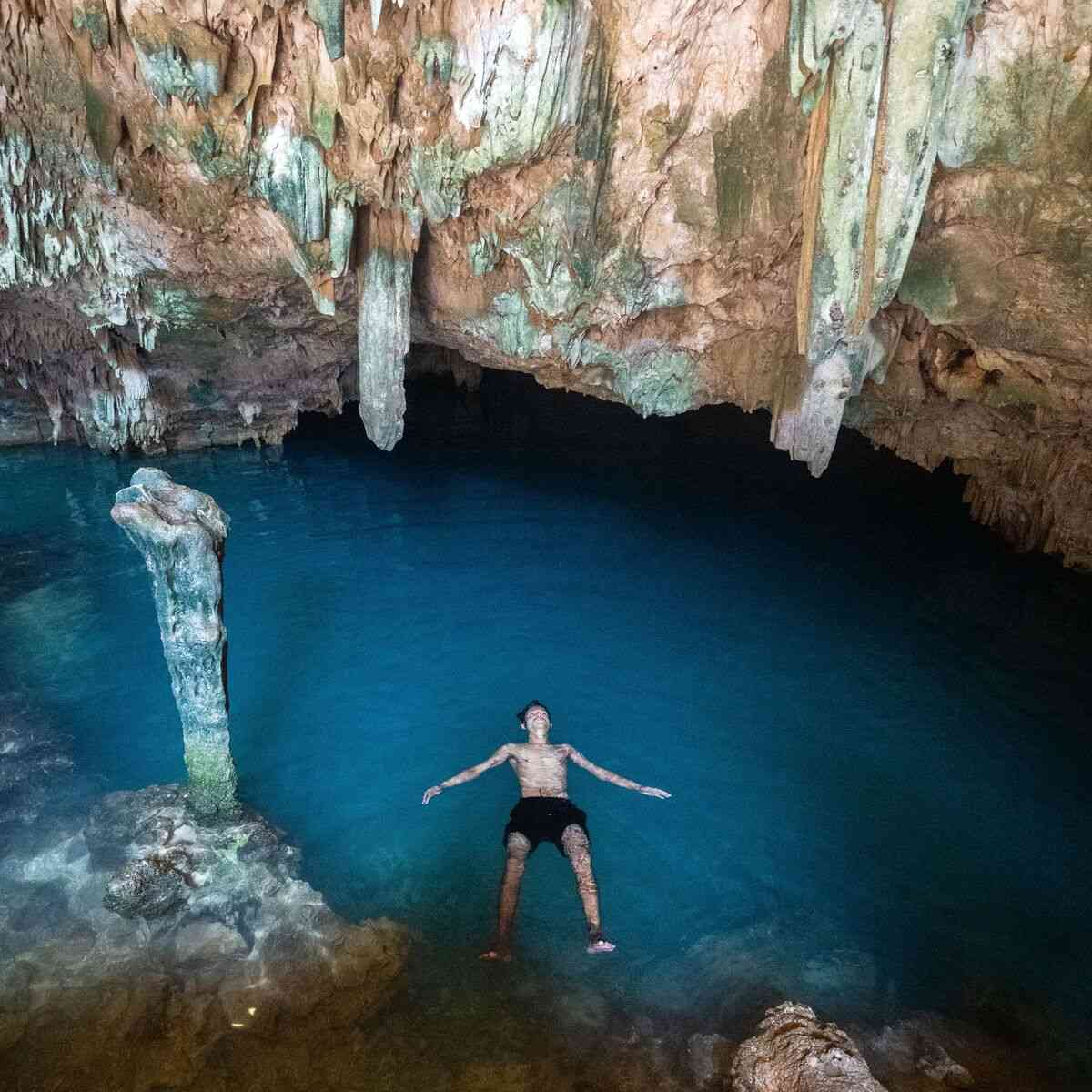
Rangko Cave
A saltwater pool inside a cave, lit through a gap in the rock. Stalactites overhead.
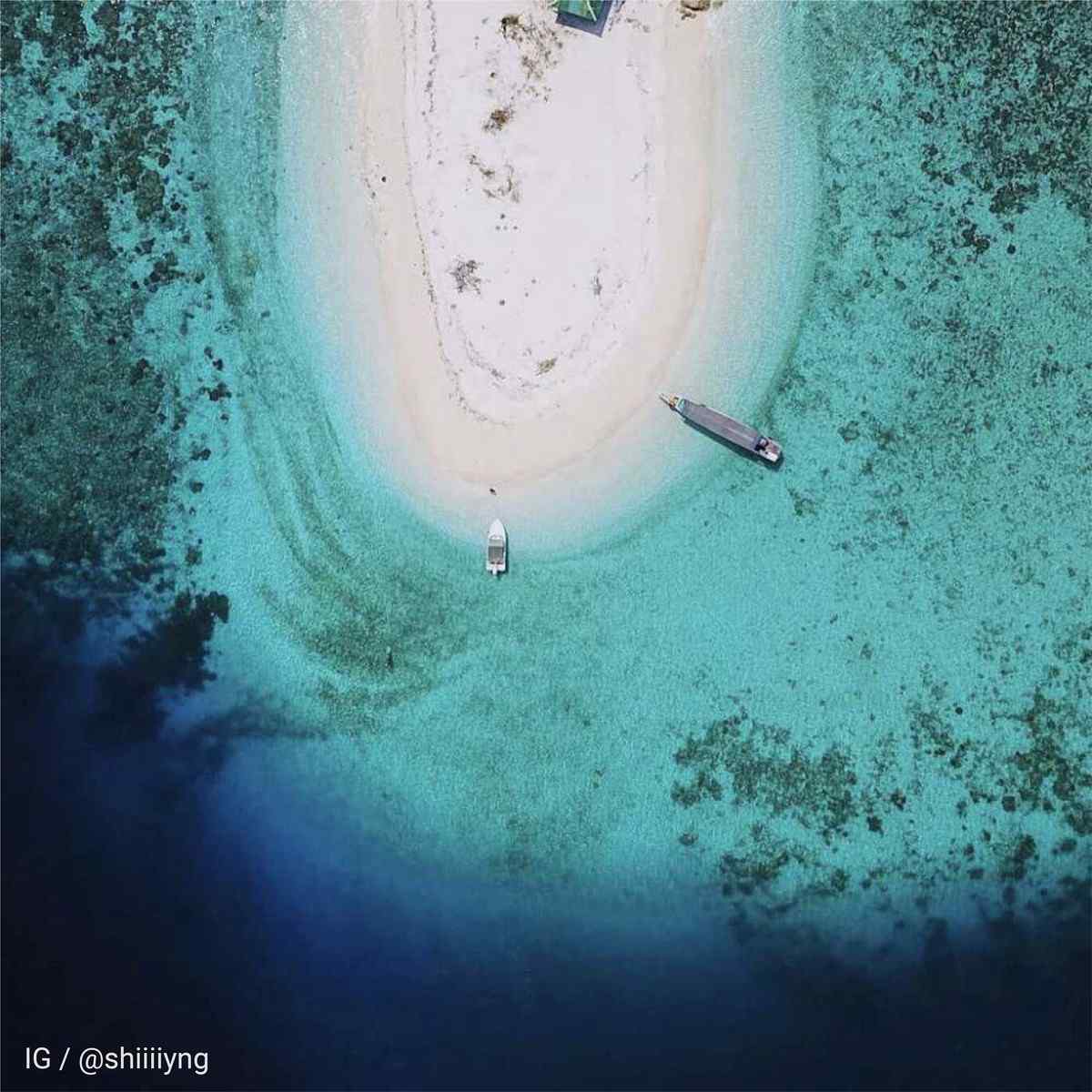
Seraya Island
White sand, clear blue water, and a reef you can walk out to when the tide drops.
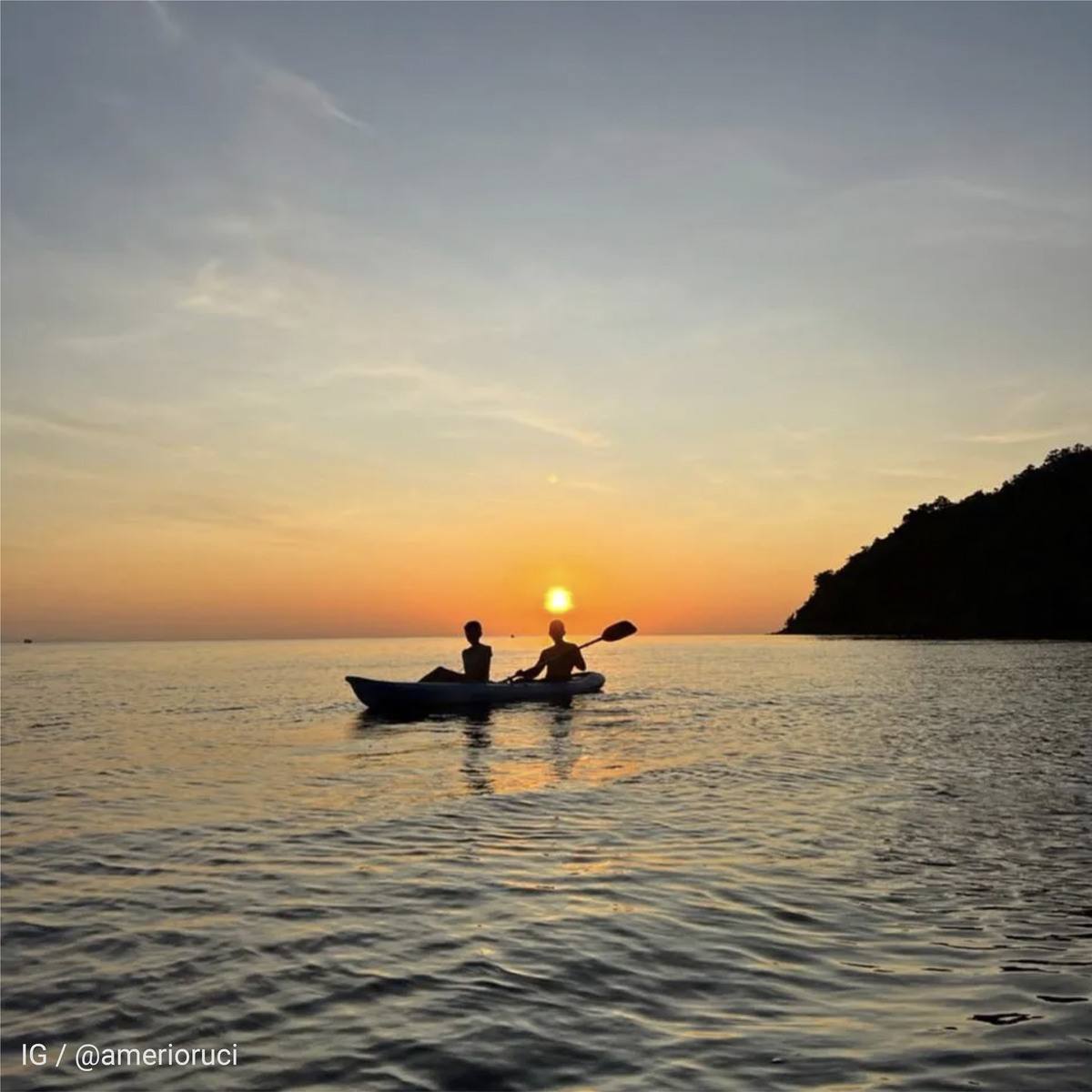
Sabolo Island
A wooden pier over clear water, with coral and small fish visible straight down.
How a Voyage Unfolds
The signature three-day route. Shorter and longer voyages trim or extend from here.
Out of Labuan Bajo
Board at the harbour, then east. A climb, a snorkel, and the bats at dusk.
- Kelor Island — trekking
- Manjarite Island — snorkelling
- Kalong Island — sunset and bats
The Long Day
The heart of the park. Early start for Padar before the heat, dragons by mid-morning, mantas after.
- Padar Island — sunrise trek
- Pink Beach — swimming
- Komodo Island — dragon trek
- Manta Point — snorkelling
- Taka Makassar — sandbar
Back West
One last reef on the way in, then Labuan Bajo before midday.
- Sebayur Island — snorkelling
- Labuan Bajo — disembark
March to December
March – June
Green hills after the rains, calm crossings and fewer boats at the popular anchorages.
July – September
Peak season. Dry, bright and busy — book the vessel well ahead for these months.
October – December
Warm water and strong manta activity. The hills turn gold before the rains return.
January – February
Wet season. Crossings are less reliable and most operators pause — we do not sail these months.
What You Actually See
About the Route
Where does Ocean Angel sail?
Which islands have Komodo dragons?
How many destinations do we visit?
When is the best time to go?
Is the trekking difficult?
Sail the Whole Route
Tell us how many days you have and we will map the anchorages around them.